Baby Car Seat: How You Know It Is Installed Correctly (U.S. Parent Guide)
Installing your baby car seat correctly is one of the most important steps you can take as a parent. In fact, according to the National Highway Traffic Safety Administration (NHTSA), nearly 46% of car seats in the U.S. are installed incorrectly — putting babies at serious risk in the event of an accident.
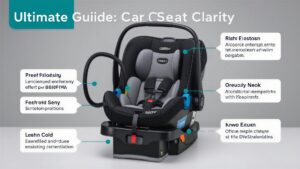
Your Baby’s Safety Starts With the Right Installation
Whether you’re driving home from the hospital or taking your toddler to daycare, ensuring the seat is secure and properly fitted could save your child’s life. This guide will help you confirm your baby car seat is installed correctly, identify common mistakes, and recommend trusted U.S.-approved car seat brands that make safety easier for parents.
1. The U.S. Safety Standard Every Parent Should Know
Before checking your installation, make sure your baby car seat is certified to meet Federal Motor Vehicle Safety Standard 213 (FMVSS 213). This ensures your seat meets U.S. crash test and performance requirements.
Look for the label that says “This child restraint system conforms to all applicable Federal motor vehicle safety standards” — usually located on the side or bottom of the seat.
2. How You Know the Car Seat Is Installed Correctly
Here are the key signs your baby car seat is installed safely and securely:
✅ The Seat Doesn’t Move More Than 1 Inch
Once you secure the car seat, try moving it side-to-side and front-to-back at the belt path.
➡️ If it moves less than 1 inch, it’s tight enough.
➡️ If it wobbles, it needs to be re-tightened or re-installed.
✅ The Recline Angle Is Correct
For newborns, the seat should recline enough to keep the baby’s head from flopping forward.
Most U.S. car seats come with a built-in recline indicator — use the line or bubble level to ensure it’s within the “infant safe” range.
✅ Harness Straps Are Snug and Positioned Properly
For rear-facing car seats, the harness straps should come from below or at the baby’s shoulders.
The straps should be tight enough that you can’t pinch any slack at the shoulder.
The chest clip should sit at armpit level.
✅ LATCH or Seat Belt System Is Properly Secured
In the U.S., you can install your baby car seat using either:
The LATCH system (Lower Anchors and Tethers for Children)
OR the vehicle seat belt
Never use both at the same time unless your car seat manual specifically allows it.
Always follow both your car seat manual and vehicle owner’s manual for model-specific instructions.
✅ Rear-Facing for as Long as Possible
In the United States, experts — including the American Academy of Pediatrics (AAP) — recommend keeping children rear-facing until at least age 2, or until they reach the maximum height and weight limit allowed by the car seat manufacturer.
3. Where to Get Your Car Seat Checked for Free in the U.S.
Many parents are surprised to learn that the U.S. offers free baby car seat inspection stations where certified technicians will check your installation in person.
You can visit:
NHTSA Car Seat Inspection Locator: www.nhtsa.gov/carseatinspection
Local Fire Departments or Police Stations — many offer free installation help.
Hospitals or Child Passenger Safety (CPS) Technicians in your area.
These experts will confirm your installation and teach you how to adjust it as your baby grows.
4. Common Mistakes Parents Make (and How to Fix Them)
| Mistake | What Happens | Fix |
|---|---|---|
| Loose installation | Car seat moves too much | Tighten LATCH or seat belt |
| Chest clip too low | Baby’s head can move forward dangerously | Move clip to armpit level |
| Harness too loose | Baby may slip out in a crash | Tighten until snug |
| Incorrect recline angle | Can block baby’s airway | Use recline indicator |
| Using bulky coats | Affects harness fit | Remove coat, use blanket over straps |
5. Recommended Convertible Car Seats (Top U.S. Picks 2025)
If you’re shopping for a convertible baby car seat that’s easy to install and designed for U.S. safety standards, here are some top-rated choices parents love:
| Brand | Model | Key Feature | Amazon Link |
|---|---|---|---|
| Graco | 4Ever DLX 4-in-1 | 10-year use, easy LATCH system | Shop on Amazon |
| Britax | Marathon ClickTight | No re-thread harness, ClickTight install | Shop on Amazon |
| Evenflo | Revolve360 Extend | 360° rotation for easy loading | Shop on Amazon |
| Chicco | NextFit Zip | ReclineSure leveling system | Shop on Amazon |
(Affiliate disclosure: As an Amazon Associate, I may earn from qualifying purchases — at no extra cost to you.)
6. Final Checklist Before You Drive
Before every trip, take 30 seconds to check:
- Harness snug and chest clip in place
- Car seat base still tight
- No twisted straps
- Baby rear-facing (if under 2 or under seat limits)
A quick daily check ensures your baby is always safe — even after other passengers move the seat or adjust the seat belt.
Conclusion: Confidence Behind Every Click
Installing your baby car seat correctly isn’t just about following directions — it’s about peace of mind. Every clip, strap, and anchor matters. By using this guide and taking advantage of U.S. car seat inspection stations, you can confidently know your little one is secure on every ride.
Remember: The safest car seat is the one that’s installed correctly every single time.
Related searches to
development toys for specific age ranges