The Ultimate Parent’s Guide to Bili Blankets: How They Help Treat Newborn Jaundice at Home

Learn everything parents need to know about bili blankets, newborn jaundice treatment, safety, benefits, costs, and what to expect during phototherapy at home.
What Is a Bili Blanket?
A bili blanket is a medical device used to help treat newborn jaundice, a common condition that causes a baby’s skin and eyes to appear yellow. Unlike traditional hospital phototherapy lights, a bili blanket uses fiber-optic technology to deliver therapeutic blue light directly to a baby’s skin while allowing parents to hold, feed, and comfort their newborn.
For many families, a bili blanket offers a less stressful alternative to extended hospital stays while still providing effective treatment for elevated bilirubin levels.
If your pediatrician has recommended a bili blanket, understanding how it works can help you feel more confident about your baby’s care.
Understanding Newborn Jaundice
Before discussing bili blankets, it’s important to understand why jaundice occurs.
Jaundice develops when there is too much bilirubin in a baby’s bloodstream. Bilirubin is a yellow pigment produced when old red blood cells break down.
Newborns often have immature livers that cannot remove bilirubin efficiently during the first days of life.
Common Causes of Newborn Jaundice
- Premature birth
- Breastfeeding challenges
- Blood type incompatibility
- Bruising during delivery
- Liver immaturity
- Family history of jaundice
Signs of Jaundice in Babies
Parents may notice:
- Yellow skin
- Yellow eyes
- Increased sleepiness
- Poor feeding
- Difficulty waking for feedings
Most cases are mild, but high bilirubin levels can become dangerous if left untreated.
How Does a Bili Blanket Work?
A bili blanket uses special blue-spectrum light that helps break down bilirubin in the baby’s skin.
While bilirubin removal is a biological process rather than a simple mathematical function, the key concept is that phototherapy changes bilirubin into forms that can be eliminated through urine and stool.
The device generally consists of:
- A light generator
- Fiber-optic cable
- Soft illuminated treatment pad
The pad is placed directly against the baby’s back or abdomen while wrapped in clothing or a blanket.
This continuous exposure allows bilirubin levels to gradually decrease.
Benefits of Using a Bili Blanket
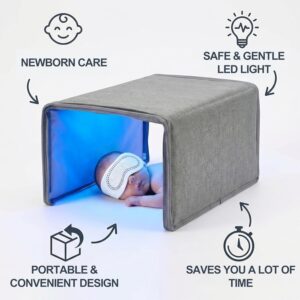
1. Allows Treatment at Home
One of the biggest advantages is avoiding prolonged hospitalization.
Many babies can receive treatment in a familiar environment while parents continue their normal routines.
2. Promotes Bonding
Unlike overhead phototherapy lights, bili blankets allow:
- Holding
- Rocking
- Feeding
- Skin-to-skin contact
Parents can maintain close interaction during treatment.
3. Encourages Breastfeeding
Frequent feeding is often recommended for jaundiced newborns.
Because babies remain mobile while using a bili blanket, feeding schedules are less disrupted.
4. Comfortable for Babies
Many infants tolerate bili blankets better than traditional phototherapy setups because they remain clothed and swaddled.
5. Reduced Hospital Costs
Depending on insurance coverage, home phototherapy may reduce hospitalization expenses.
Bili Blanket vs Traditional Phototherapy
| Feature | Bili Blanket | Traditional Phototherapy |
|---|---|---|
| Home Use | Yes | Usually No |
| Parent Interaction | High | Limited |
| Breastfeeding Convenience | Excellent | Moderate |
| Mobility | High | Low |
| Hospital Stay Required | Often No | Often Yes |
| Eye Protection Needed | Usually No | Usually Yes |
Both treatments can be effective depending on bilirubin levels and your healthcare provider’s recommendations.
When Is a Bili Blanket Recommended?
A pediatrician may recommend a bili blanket when:
- Bilirubin levels are elevated
- The baby is otherwise healthy
- Hospital admission isn’t necessary
- Home monitoring is possible
- Parents can follow treatment instructions
Some babies may require more intensive phototherapy in a hospital setting if bilirubin levels rise rapidly.
How Long Does a Baby Need a Bili Blanket?
Treatment duration varies significantly.
Many newborns use a bili blanket for:
- 24 to 48 hours
- Several days
- Up to one week in certain situations
The exact length depends on:
- Bilirubin level
- Baby’s age
- Feeding success
- Weight gain
- Overall health
Healthcare providers typically monitor progress through repeat bilirubin testing.
What to Expect During Bili Blankets Treatment
Parents often wonder what daily life looks like while using a bili blanket.
Feeding
Continue feeding frequently.
Breastfed babies may feed:
- Every 2–3 hours
- 8–12 times daily
Frequent feeding helps eliminate bilirubin through bowel movements.
Diaper Changes
Expect:
- Frequent wet diapers
- Regular stools
- Increased bilirubin elimination
Tracking output may be recommended.
Sleep
Many babies sleep normally during treatment.
The blanket can remain in place during naps and nighttime sleep according to medical instructions.
Is a Bili Blanket Safe?
Yes. Bili blankets have been used for many years and are considered safe when used as directed.
Safety benefits include:
- No UV exposure
- Low heat production
- Reduced dehydration risk
- Minimal discomfort
Parents should always follow manufacturer instructions and their healthcare provider’s guidance.
Potential Side Effects
Most babies experience few side effects.
Possible effects include:
Loose Stools
As bilirubin exits the body, bowel movements may increase.
Mild Skin Changes
Some infants develop temporary redness that usually resolves quickly.
Sleep Pattern Changes
Temporary changes in sleep schedules can occur.
Most side effects are mild and short-lived.
Tips for Parents Using a Bili Blanket
Keep the Pad Positioned Correctly
Proper contact improves treatment effectiveness.
Follow Feeding Recommendations
Frequent feeding supports bilirubin elimination.
Attend Follow-Up Appointments
Repeat bilirubin testing helps ensure treatment is working.
Monitor Hydration
Watch for:
- Wet diapers
- Alertness
- Good feeding patterns
Ask Questions
Never hesitate to contact your pediatrician if concerns arise.
Can Breastfed Babies Use a Bili Blanket?
Absolutely.
In fact, many healthcare providers prefer bili blankets because breastfeeding can continue with minimal interruption.
Benefits include:
- Easier nursing
- More skin-to-skin contact
- Reduced stress
- Improved bonding
Breastfeeding and phototherapy often work together to help reduce bilirubin levels.
Frequently Asked Questions
Does a Bili Blanket Hurt My Baby?
No. The treatment is painless.
Most babies tolerate the therapy very well.
Can My Baby Sleep While Using a Bili Blanket?
Yes.
Most newborns sleep normally during treatment.
Always follow safe sleep recommendations provided by your healthcare provider.
How Fast Does a Bili Blanket Work?
Many babies show improvement within 24 to 48 hours.
However, every infant responds differently.
Do I Need a Prescription for a Bili Blanket?
In most cases, yes.
Bili blankets are medical devices typically ordered by a physician.
Can Severe Jaundice Be Treated at Home?
Not always.
Babies with very high bilirubin levels may require hospital-based phototherapy or additional medical treatment.
Related Bili Blankets Topics Parents Often Search For
Signs of Jaundice in Newborns
Breastfeeding and Newborn Jaundice
How Long Does Baby Jaundice Last?
Newborn Bilirubin Levels Explained
Bili Blanket vs Phototherapy Lights
Premature Baby Jaundice Treatment
Can Jaundice Return After Treatment?
Safe Sleep Tips for Babies Using a Bili Blanket
When to Call the Doctor About Jaundice
Home Phototherapy for Newborns
What You Should Know
A bili blanket can provide an effective, convenient, and family-friendly way to treat newborn jaundice while allowing parents to remain closely connected with their baby. For many families, home phototherapy reduces stress, supports breastfeeding, and helps babies recover comfortably.
While jaundice is common and often temporary, proper monitoring is essential. Always follow your pediatrician’s instructions and attend recommended follow-up appointments to ensure bilirubin levels are decreasing safely.
By understanding how a bili blanket works and what to expect during treatment, parents can feel more prepared and confident during their newborn’s first days of life.